
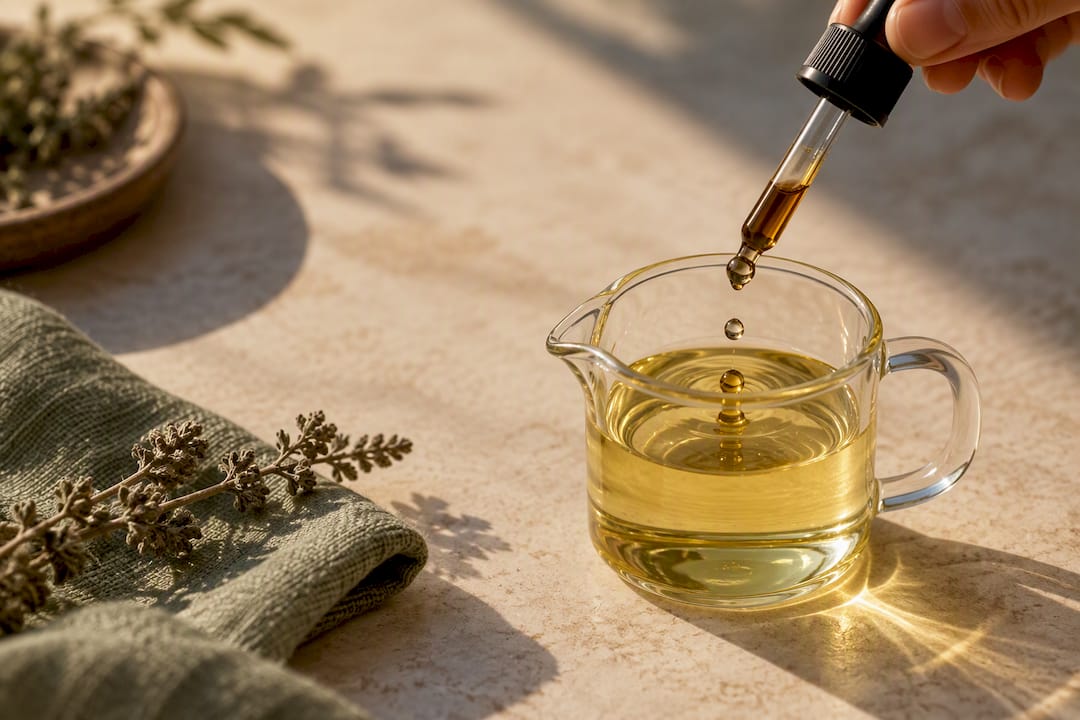
Essential oils can support scar appearance as a companion to proven care, not a replacement for it. The evidence is thin and mostly small studies, so treat oils as an add on to sun protection and silicone, never a first line fix. Only apply anything, diluted, once the wound has fully closed, and patch test first. If a scar looks unusual, painful, or keeps growing, see a dermatologist rather than waiting on a natural remedy.
TL;DR:
-
Essential oils may provide only modest improvements and should never replace proven scar treatments like silicone sheeting or medical care.
-
Use oils only after the wound has fully closed, diluted properly, and patch tested to minimize the risk of irritation or infection.
-
Carrier oils such as rosehip seed are likely more effective for scar softening, with their hydration and massage benefits playing a major role.
-
Small studies support specific oils like helichrysum, frankincense, and lavender, but evidence remains limited and inconsistent.
-
Consult a dermatologist if a scar changes rapidly, remains painful, or has unusual growth, as medical intervention may be necessary.
Table of Contents
Best Essential Oils for Scars: An Honest Rundown
Some names come up constantly in scar care forums and aromatherapy guides. A few have small studies behind them; most rest on tradition and anecdote. Here’s what’s worth knowing about each before you buy a bottle.
-
Helichrysum has a long history in skin repair folklore, prized for supporting tissue renewal. Clinical backing is minimal, but it’s one of the gentler options and rarely causes irritation at proper dilution.
-
Frankincense shows up in traditional Middle Eastern and North African skincare for evening out tone and encouraging regeneration. Small trials and plenty of anecdotal reports support it, though it can bother sensitive or already inflamed skin.
-
Lavender has the broadest research base of the group, including some wound healing studies, and it’s usually well tolerated. Still test it first. Use a lighter dilution on the face than you would on the body.
-
Tea tree brings real antimicrobial properties, which makes it more useful for inflamed or infected lesions before a scar even forms. Once skin has closed and scarred over, tea tree’s drying, sometimes irritating nature makes it a poor daily choice.
-
Geranium is often paired with carrier oils for its traditional skin balancing reputation. There’s little hard data, so it works best as a supporting note in a blend rather than a solo treatment.
-
Carrot seed oil carries a reputation for supporting skin renewal and is sometimes used for pigmented or discolored scars. It’s potent, so keep it at the low end of any dilution range.
-
Neroli shows up mostly for its skin conditioning reputation and pleasant scent, useful if you want a blend you’ll actually stick with for months. Evidence is anecdotal.
-
Hyssop appears in some older herbal traditions for skin repair, but safety data is limited and it’s not a first choice for anyone new to essential oils.
For nearly all of these, the practical rule is the same: use them as a small area adjunct after the wound has closed, mixed into a carrier oil, and applied with massage rather than dabbed on alone. None of these are a substitute for the dermatologist-recommended basics covered further down.
Why Carrier Oils Do Most of the Real Work
Carrier oils like rosehip seed, jojoba, and sweet almond are what actually deliver the essential oil to skin and keep it from irritating. They’re also the ingredient most likely to be doing the heavy lifting, since they hydrate and enable the massage that seems to matter for scar softening.
-
Rosehip seed oil has the best track record of the group, with some trials pointing to improved appearance on atrophic (sunken) scars and discoloration.
-
Vitamin E is popular but inconsistent in studies, and it’s a known cause of contact dermatitis in a meaningful share of users, so don’t assume it’s automatically beneficial.
-
Sweet almond oil is a solid, low-risk moisturizing base with no strong scar-specific evidence, but it rarely irritates.
-
Medical-grade silicone gel or sheeting remains the clinical standard for raised scars. Oils are worth layering in, not swapping in.
How to Use Essential Oils on Scars Without Making Things Worse
Getting this wrong is easy, and the mistakes aren’t cosmetic, they can trigger new irritation on skin that’s still healing. Follow this sequence.
-
Wait for full closure. Never apply oil to an open wound, scab, or anything still weeping. Dermatologists are clear that topical treatments belong only on fully re-epithelialized skin.
-
Dilute properly. For the face, aim for 0.5 to 2 percent, which works out to roughly 3 to 6 drops of essential oil per 30 milliliters of carrier oil. For the body, 1 to 3 percent (about 6 to 18 drops per 30 milliliters) is the usual range. Palinova’s dilution guide breaks down the math further if you’re mixing your own blend.
-
Patch test first. Apply your diluted mix to a small patch of inner forearm skin and wait 24 to 48 hours, watching for redness, itching, or blistering. This mirrors the patch testing approach the FDA recommends for any fragrance-containing product, and Palinova’s own patch testing guide walks through it step by step.
-
Massage gently. Once cleared, work the diluted oil into the scar in small circles for one to two minutes, once or twice daily.
-
Stay consistent for months, not days. Scars keep maturing for up to a year, so daily habit matters more than any single application.
-
Apply sunscreen over the area whenever it’s exposed. New scar tissue burns and discolors easily.
-
Stop immediately if you notice spreading redness, blistering, or worsening pain, and see a clinician if symptoms don’t resolve quickly.
Pro Tip: Mix a small batch, no more than a week’s worth, so the essential oil stays fresh and you’re not tempted to skip the dilution math on a rushed morning.
What the Research Actually Shows

A 2022 review of the available data found only a handful of trials worth analyzing, and the overall evidence quality was low. Outcomes measured included erythema (redness) reduction and physician-rated satisfaction, with a few small studies reporting statistically significant improvement on narrow measures. That sounds more convincing than it is; a result with a tight p-value from a trial of a dozen people still isn’t the same as a large, replicated finding.
The design problems repeat across the literature: small sample sizes, inconsistent oil blends and concentrations between studies, and short follow up windows that can’t capture how a scar looks a year later. Some research on manual therapy even suggests that essential oil blends perform similarly to plain carrier oil massage, which raises the possibility that the massage itself, not the oil, is doing much of the work.
The honest read of the current data is that essential oils may offer a modest edge over doing nothing, or over bare massage alone, in some studies. They are not shown to outperform, or replace, silicone sheeting or medical treatment for keloids and contractures.
Manage your expectations accordingly. Oils are a supporting habit, not a proven treatment.
When a Dermatologist Should Take Over
See a professional if a scar appears without a clear injury history, changes shape or color quickly, stays red and painful past a few weeks, or itches and grows the way keloids do. A dermatologist can evaluate whether you’re dealing with a routine scar or something that needs active treatment.
Medical options include silicone sheeting for raised scars, corticosteroid injections for keloids (which can shrink lesions by 50 to 80 percent in many cases, though recurrence is common without combination therapy), laser treatment for redness or texture, and microneedling for textured scarring. Mention any oils you’re using so your clinician can flag interactions or unnecessary irritation before starting a new treatment.

Where Natural Care Meets Real Evidence
Most scar advice online skips the part that actually matters: oils are a supporting habit, not a treatment plan. The stronger argument isn’t “essential oils versus medicine,” it’s building a daily routine around sun protection and gentle massage, then layering in a well-sourced oil for the parts science hasn’t fully mapped yet. Skepticism about overblown claims and genuine respect for traditional botanical use aren’t contradictory positions. They’re both necessary if you want results that hold up past the first month.
What gets underestimated is sourcing. A diluted, low-quality essential oil cut with synthetic fragrance carries more allergy risk than benefit, and that’s the exact failure mode the FDA warns about with unclear fragrance labeling. Palinova focuses on botanicals with transparent sourcing for this reason, and pairs products with aromatherapy consultation resources to help with dilution ratios. That’s the gap between what a bottle promises and what a person actually needs to use it correctly.
— abdelmuhsen
Try Palinova’s Botanical Oils With Guided Support
Palinova offers essential oils, seed oils, and skincare items sourced with attention to quality, paired with aromatherapy consultation to assist with proper dilution.
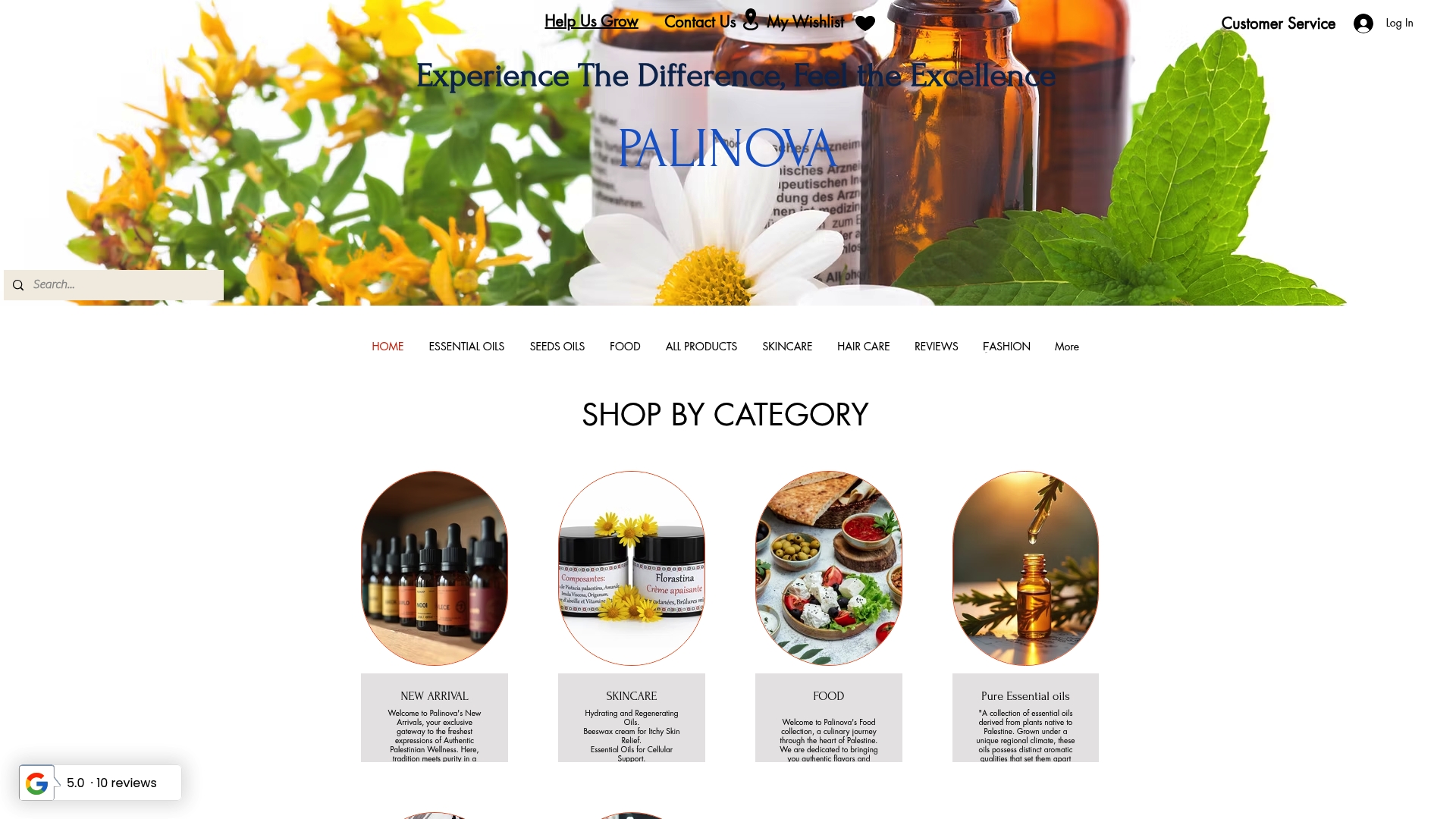
If you’re starting out, a carrier oil is the lower risk entry point. Palinova’s seed oil collection includes cold-pressed options suited to daily massage, and the skincare line covers soothing creams for sensitive, healing skin. For those ready to try a specific essential oil, the Achillea Fragrantissima essential oil reflects the kind of traditional, single-origin botanical worth patch testing before daily use.
Browse the full Palinova shop to compare product categories, then book a free consultation to get a dilution and routine suited to your skin before your first application.
This article is general information, not a substitute for advice from a qualified doctor. Consult a qualified healthcare professional about your own circumstances before acting on anything here.
Sources
FAQ
Which Oil Is Best for Reducing Scars?
No single oil has strong evidence for reducing scars, but rosehip seed oil has the most support among topical oils for improving atrophic scar appearance. Helichrysum and frankincense are the most commonly recommended essential oils, though the research behind them remains limited.
What Helps Scars Fade Quickly?
Consistency matters more than any single ingredient, since scars keep maturing for up to a year. Daily sunscreen, silicone for raised scars, and gentle massage with a diluted oil give you the best realistic shot at faster fading.
What Essential Oil Heals Wounds Fast?
Essential oils aren’t recommended on open wounds at all. Dermatology guidance is clear that topical oils should wait until the wound has fully closed, since applying anything earlier risks trapping bacteria and delaying healing.
Does Frankincense Oil Heal Scars?
Frankincense has traditional use for skin tone and regeneration, backed by small trials and anecdotal reports rather than strong clinical evidence. It’s reasonable to try as a diluted adjunct after patch testing, but it shouldn’t replace silicone or sunscreen for scar management.
Does Palinova Sell Oils Suited for Scar Care?
Palinova offers Palestinian-sourced essential oils, seed oils, and skincare products, with current pricing listed on the Palinova shop. A free aromatherapy consultation is available to help match a product to your skin and healing stage.
Recommended
Frequently Asked Questions
What Essential Oil Heals Wounds Fast?
Essential oils aren't recommended on open wounds at all. Dermatology guidance is clear that topical oils should wait until the wound has fully closed, since applying anything earlier risks trapping bacteria and delaying healing.
Does Frankincense Oil Heal Scars?
Frankincense has traditional use for skin tone and regeneration, backed by small trials and anecdotal reports rather than strong clinical evidence. It's reasonable to try as a diluted adjunct after patch testing, but it shouldn't replace silicone or sunscreen for scar management.